Customer story
gallery rosenfeld
How gallery rosenfeld uses First Thursday to manage their most important collector relationships, before, during, and after international art fairs.
Location
London
Segment
Mid-career
Website
Team size
5 employees
October 2024
Joséphine May Bailey, Sales Director
4x
More contacts recorded at art fairs

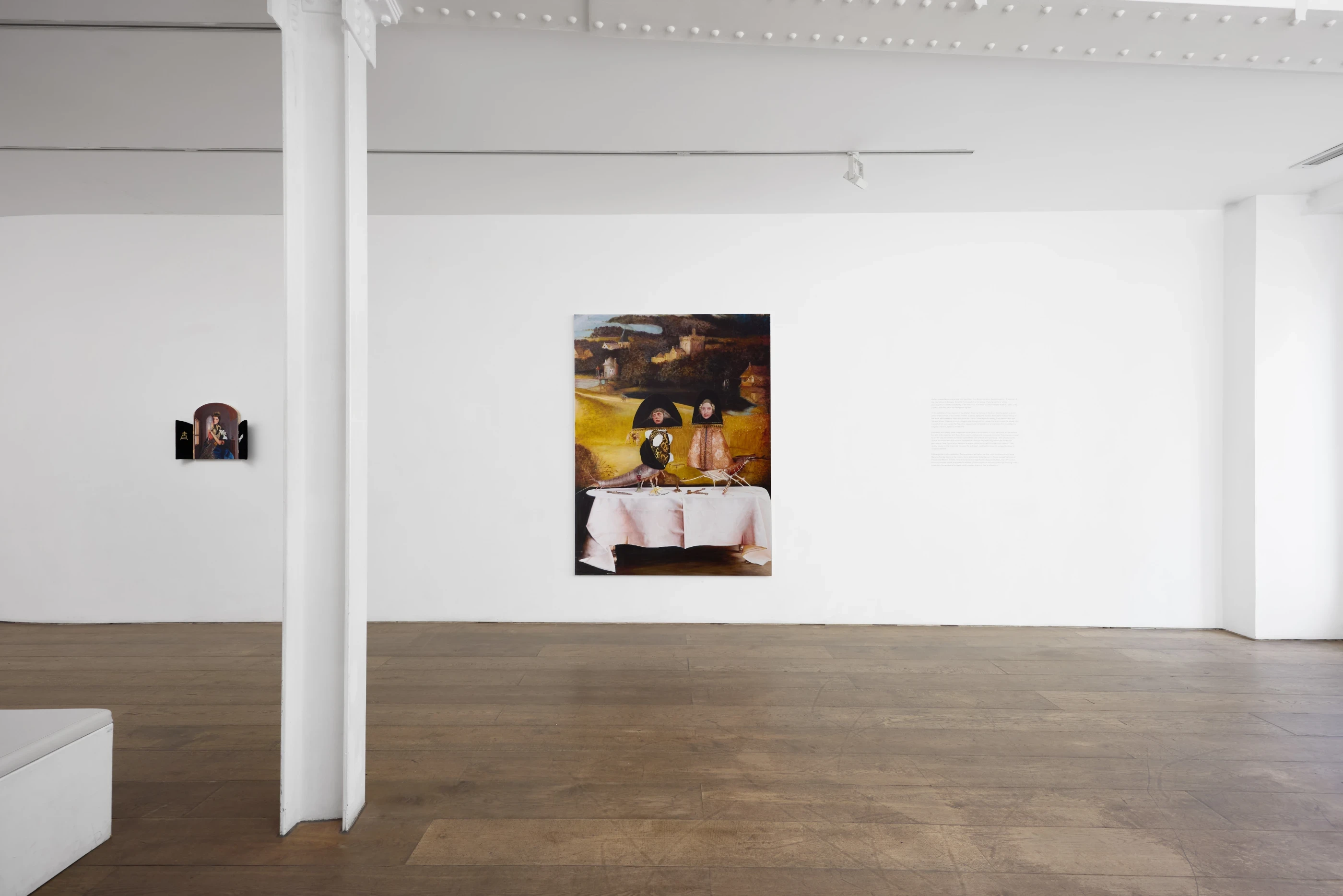
Founded in 2011 and based in Fitzrovia, London, gallery rosenfeld is a contemporary art gallery representing institutional and intergenerational artists including Nicola Samori, Enrique Brinkmann, Ndidi Emefiele, Araminta Blue, and Keita Miyazaki. The gallery maintains an ambitious international programme and regularly participates in leading art fairs such as EXPO Chicago, Kiaf Seoul, Art Brussels, and The Armory Show.
When collector context gets lost after the fair
With an ambitious international fair programme, gallery rosenfeld meets a high volume of collectors and advisors in a short space of time. Historically, capturing those interactions relied on manual methods such as a physical book and handwritten email lists.
That approach made it easy to lose detail, slowed follow-up, and created inconsistent visibility across the team. Important information about who someone was, what they were interested in, and what was discussed could sit in personal notes, inboxes, or memory, instead of becoming shared institutional context the whole gallery could build on.
A shared collector record that starts at fairs and compounds over time
First Thursday's mobile app is used by gallery rosenfeld to capture collector interactions in the moment, with context, and make them immediately actionable.
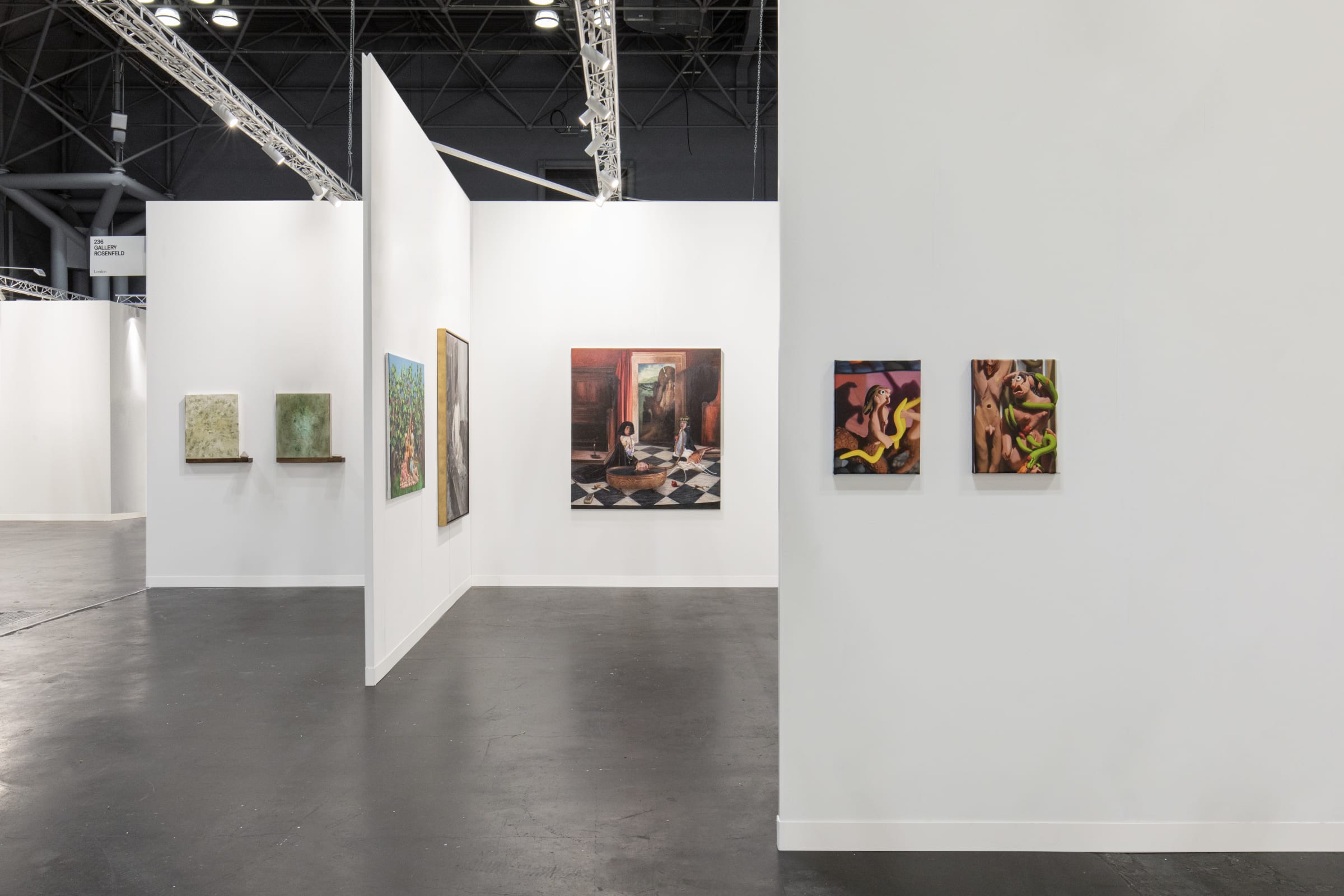
During fairs, Joséphine and the team use First Thursday to register new collectors directly from the stand. Rather than just recording contact details, they capture structured information about each interaction, including artist interest, price sensitivity, and conversation notes, and trigger personalised follow-up within minutes. All data is then synced into the gallery’s database, ensuring continuity beyond the fair itself.
“On VIP days, we don't have a moment of calm, so having the ability to connect with and register new collectors from the palm of my hand ensured we didn’t miss out on potential new collectors for the gallery.”
What changed once everything lived in one place
For gallery rosenfeld, the shift was not just about capturing more names at fairs. It was about turning thousands of fragmented interactions, across years and continents, into a shared, usable record of collector relationships.
With First Thursday embedded into both fair workflows and day-to-day gallery operations, the team moved from isolated, individual memory to a collective view of who their collectors are, what they respond to, and how relationships evolve over time. Every interaction now adds context, rather than disappearing once the fair ends. The results are clear:
4× more contacts collected at each fair without slowing down conversations on the stand
Increased sales during and after fairs by capturing the details that shape meaningful follow-up
Saved one month of admin time per year, allowing the team to focus on collector-facing work
Stronger long-term collector knowledge with shared context that persists beyond individual fairs and staff members
“When you’re working all day on stand and chatting to hundreds of new collectors, it’s easy to lose track of specific conversations or details. But the extensive insights that First Thursday captured allowed us to prioritise and really tailor our follow-up to ensure every collector received the right response from us, at the right time.”
How gallery rosenfeld uses First Thursday
Capturing collector relationships at the moment they begin
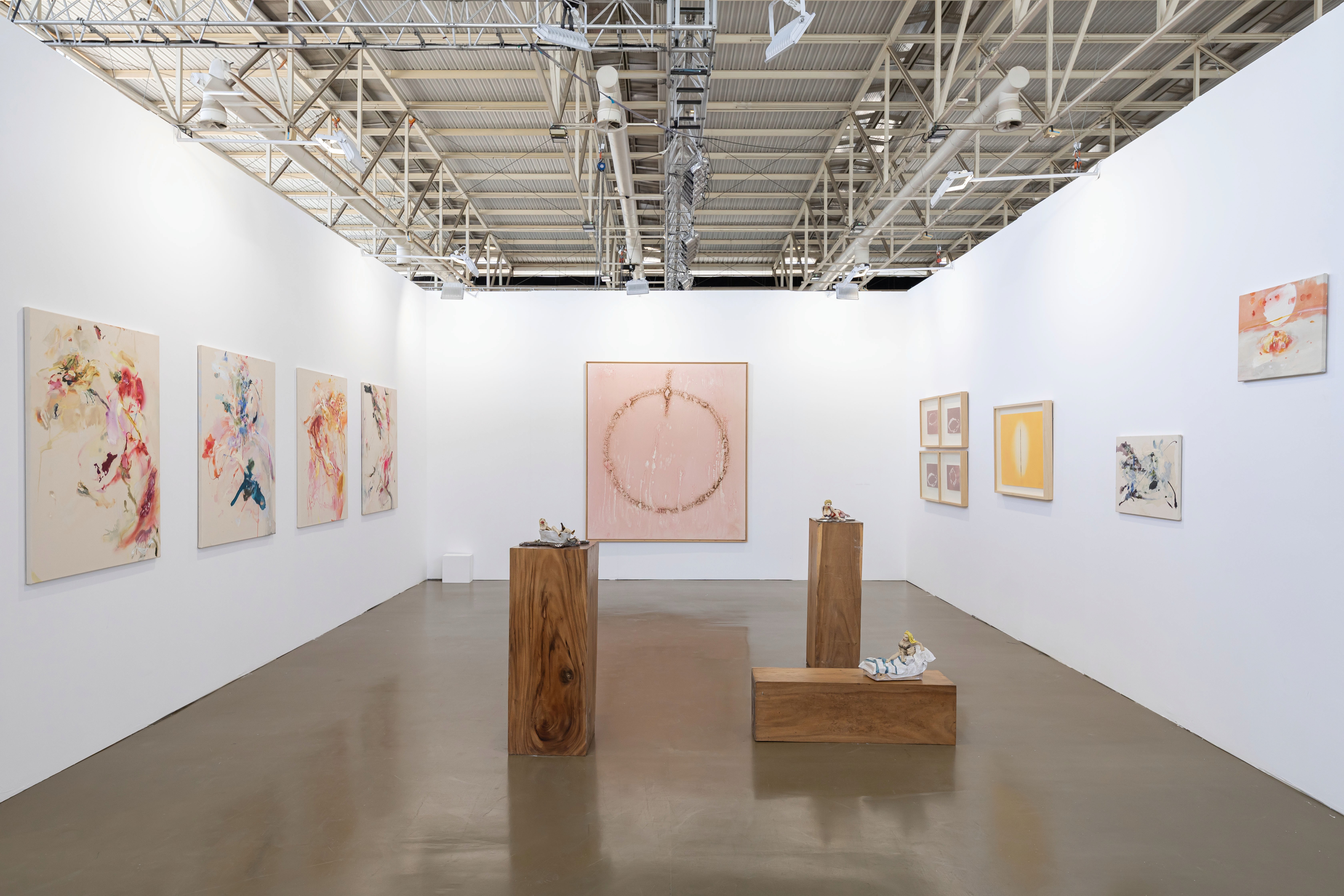
Used on the stand at fairs like Art SG, Tokyo Gendai, Art Brussels, and The Armory Show, First Thursday replaces physical books with structured capture that preserves context.
“Previously, we used a physical book to record collector emails, which was far less effective. It was time-consuming to upload these details to our CRM, collectors had to wait to hear from us, and crucially we didn’t have any details about the collectors themselves and what they were looking for. By digitising the way we register new collectors, First Thursday has really helped us to maximise the return we get from participating in international fairs.”
Prioritised follow-up based on what collectors actually want
Instead of treating every new contact the same, gallery rosenfeld records what matters at the moment of meeting, which artists a collector responds to and the price range they are actively considering. That information immediately shapes who is followed up, by whom, and with what material.
This means time is spent on the collectors most likely to convert, while follow-up remains relevant as the programme evolves. As new works become available, the team can return to the right people with context, rather than starting each conversation from scratch.
“By understanding which artists collectors were interested in or what price ranges they were exploring, we can now develop longer-term relationships with them and keep them updated as we advance our programme.”
Unlocking the gallery's historical collector database
Founded in 2011, gallery rosenfeld has built relationships with collectors over more than a decade. First Thursday is used to bring that fragmented history together, unifying past, present, and future contacts into a single working record.
Historical contacts, new fair conversations, and ongoing inquiries all sit in one place, allowing the gallery to understand how relationships have developed over time rather than treating each interaction in isolation. This makes it easier to return to earlier conversations, recognise repeat engagement, and build continuity across years of activity.
As contacts are added, First Thursday’s AI enrichment automatically adds contextual detail, helping the team quickly understand who someone is, their relevance to the gallery, and how to prioritise follow-up. Over time, this creates a richer, more usable collector database that supports long-term relationship building, not just short-term sales moments.