Customer story
HdM Gallery
How First Thursday became the place where all collector relationships live, preserving context across fairs, online inquiries, and an internationally distributed team.
Location
London, Paris, Beijing
Segment
Mid-career
Website
Team size
15 employees
April 2025
Hadrien de Montferrand, Founder
28 days
Saved annually by automating manual art fair tasks

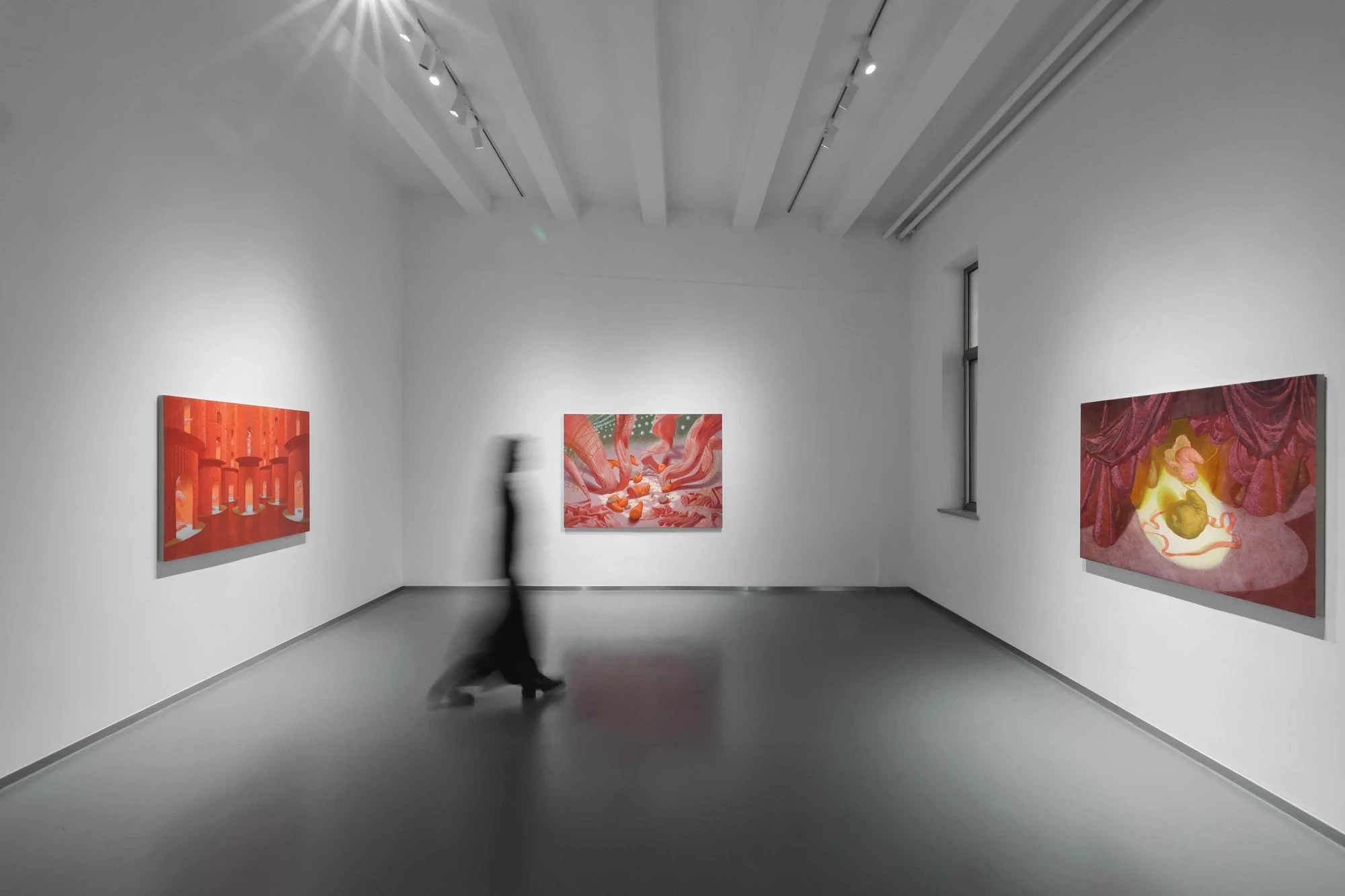
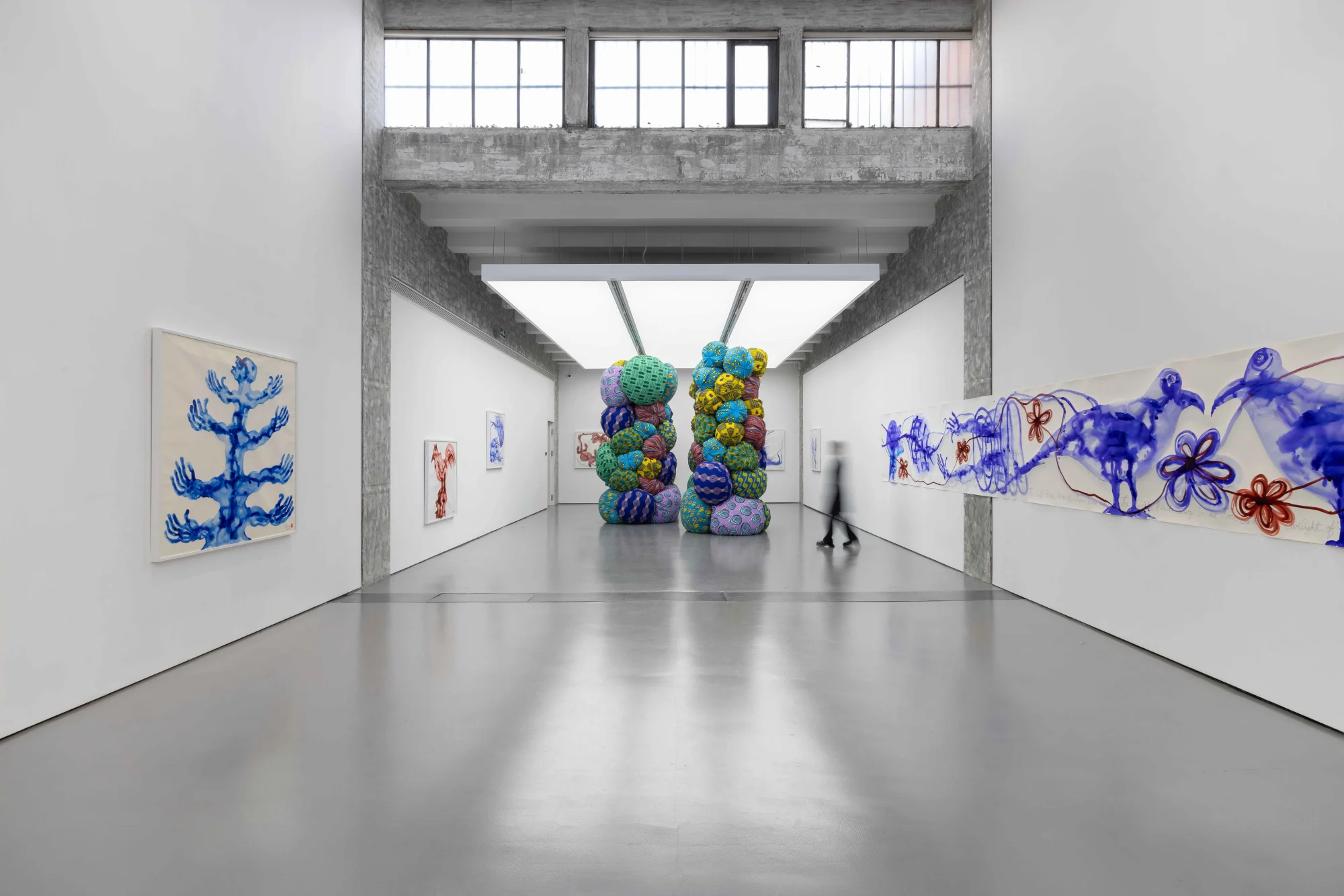
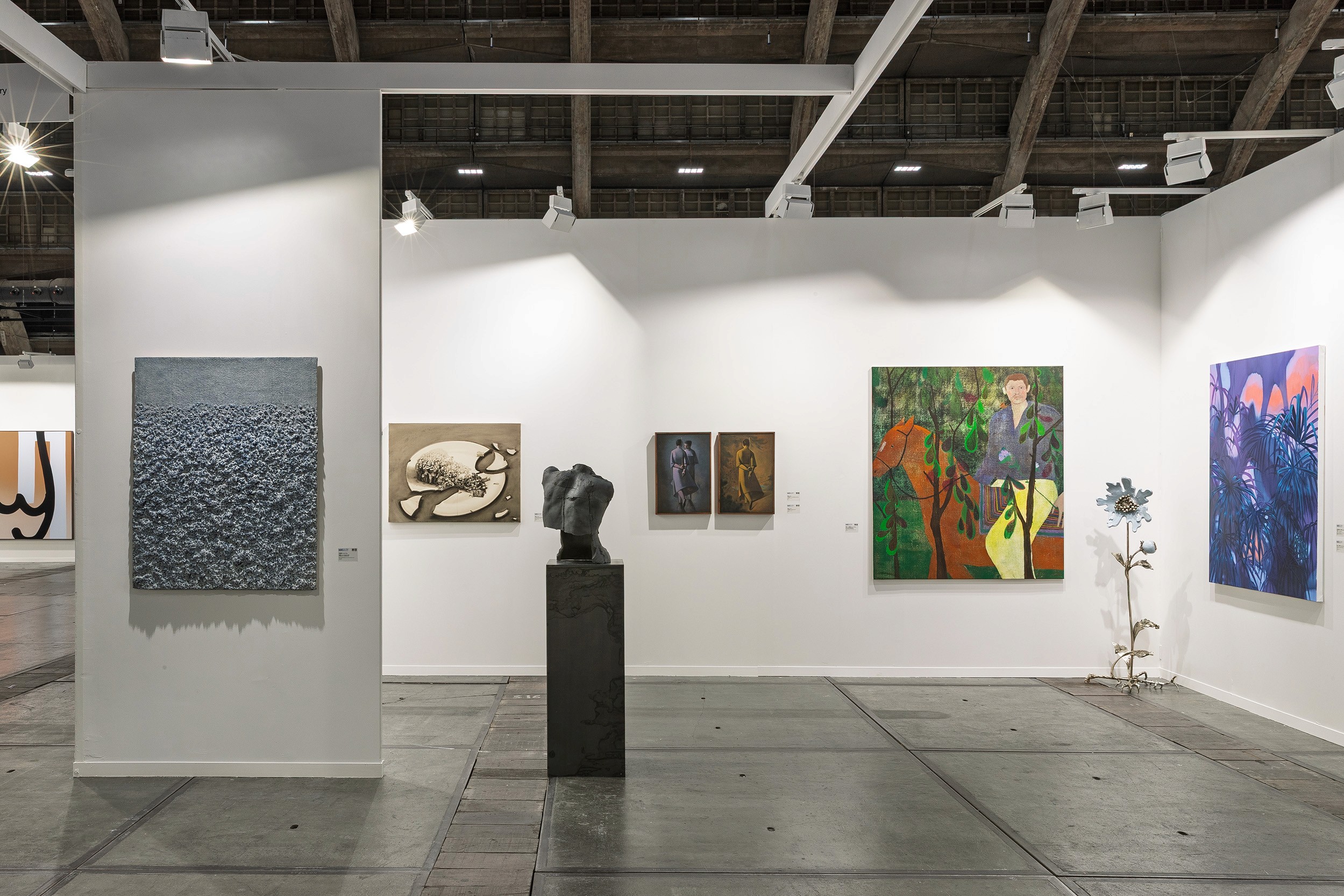
Created in 2009 by Hadrien de Montferrand with the support of Laurent Dassault and Olivier Hervet, HdM Gallery specialises in all disciplines of contemporary art. The gallery supports emerging Chinese artists by promoting their work internationally, while introducing established international artists to Chinese audiences. Besides its normal exhibition program, HdM Gallery participates in art fairs internationally, including Art Basel Hong Kong, Art021 Shanghai, Art Brussels and Art Geneva, produces academic catalogues, and organises institutional shows for its artists.
When collector relationships live in too many places
With a team spread across three countries, HdM Gallery did not have a unified CRM system that could reliably capture and manage potential clients across the whole organisation.
In practice, enquiry and contact management was fragmented. Team members tracked their own networks using tools of their choice, often spreadsheets, notes apps, and manual methods (especially during art fairs). Over time, this made it difficult to answer basic operational questions consistently: Have we met this person before? Who owns the relationship? What were they interested in? Has anyone followed up? It also increased the risk of strong leads being missed or not pursued at the right moment.
Creating a single front door for new collector interest
First Thursday quickly became the gallery’s front door for new interest: the place where fair contacts and inbound inquiries can be captured into a shared system, tagged to context (artist/work/event), and made visible to the whole team. Instead of relying on personal records, HdM moved toward a single, searchable collector profile that accumulates context over time.
“Before signing up to First Thursday we didn’t have a real system to keep track of all the gallery leads in one place. Everyone was responsible for their own spreadsheet or Notes App on their phone. We’re now able to access that data all in one place, and First Thursday has practically become our team’s primary CRM overnight.”
That centralisation matters because it creates institutional memory: once a lead is in one place, the team can see historical context, avoid duplicating work, and follow up with the right level of urgency, even while operating across locations and fairs.
What changed once everything lived in one place
Since adopting First Thursday, HdM Gallery has been able to:
Create a single shared view of leads and conversations across teams and locations (reducing siloed tracking)
Improve follow-up consistency by keeping lead ownership and context visible to everyone
Strengthen pre-fair outreach by identifying dormant but high-potential collectors in historical data
Track interest more reliably by linking engagement to artists, works, and events over time
“First Thursday helped us identify important leads which were sitting in our database for years with no follow up. We’ve imported a batch of historical collector data to the platform to help us identify potential buyers. This massively improved our pre-art fair outreach strategy, allowing us to start engaging with the most promising leads early on.”
How First Thursday fits into HdM Gallery’s day-to-day operations
Capturing collector relationships at the moment they begin
At fairs, First Thursday functions as a shared “digital book” the team can use in parallel. Leads can be captured quickly in the moment, then completed and actioned while the interaction is still fresh, without losing ownership or context across the team.
“During art fairs, skipping the physical book and logging every client we meet at art fairs into First Thursday has made the team significantly more efficient. Insight into every lead helps us distribute the time we spend on following up accordingly, ensuring we cannot forget anyone or miss out on a sale due to administrative errors.”
Bringing online inquiries into the same workflow
Inbound leads from our email and all our online channels are synced automatically, removing the need for manual copying between inboxes and spreadsheets. This makes online inquiries as trackable as fair contacts, with clearer ownership and better continuity over time.
“Keeping track of inbound leads from our online channels (like Artsy and our website) has now become 10x more efficient. The enquiry appears automatically in the system without the need for manual input, saving us time on the admin and ensuring we are able to keep track of that lead more effectively.”
Deciding who to follow up with, and when
HdM uses First Thursday to prioritise outreach based on the factors that actually drive gallery follow-up: artist interest, relationship history, location, and recency. This helps the team focus attention where it is most likely to turn into meaningful sales conversations, rather than relying on memory or fragmented notes.
Using real engagement data to guide programming and outreach
Because engagement can be tied back to artists, events, and sales channels, HdM can review patterns over time: not only what sold, but what generated meaningful interest. This supports clearer decisions on programming, event strategy, and which artists to emphasise in outreach.
“The ‘insight’ section data has helped us gain a better understanding of our artists’ performance across various sales platforms. We are now using this information to make data-driven decisions on the success of our events and the popularity of each artists.”