News
First Thursday featured in Observer: Art fairs at a turning point
First Thursday was recently cited in an in-depth Observer feature examining the growing tension at the heart of the global art fair system: rising costs, tightening returns, and a model that many galleries can no longer afford, but still can’t afford to exit.
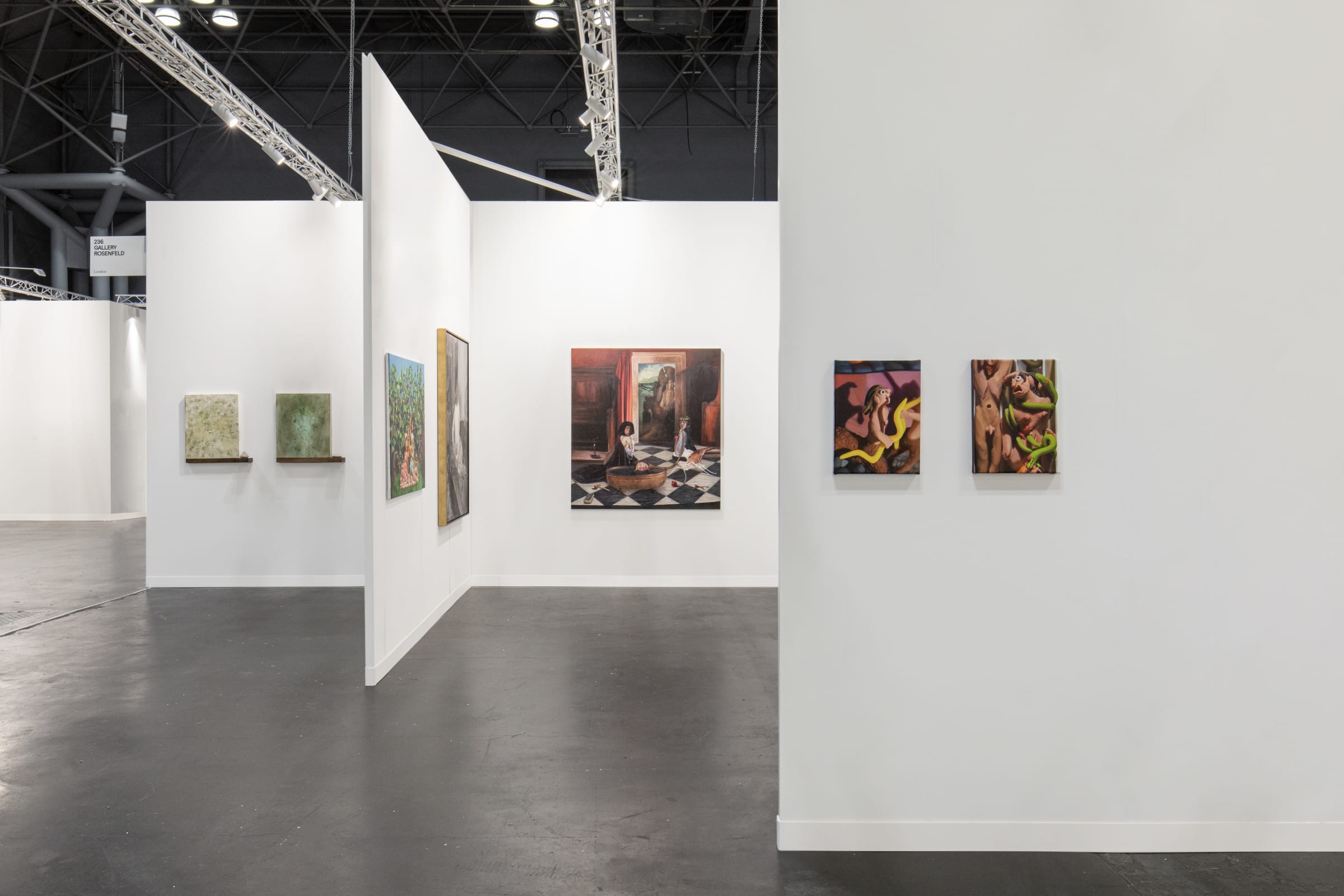
Observer’s analysis positions art fairs at a structural inflection point. After decades of rapid global expansion, the fair calendar has become denser, more expensive, and more competitive; while the pool of active collectors has not grown at the same pace. As a result, galleries are facing a sharper risk-reward calculation around participation.
First Thursday’s 2025 Art Fair Report is cited in the article as evidence of this strain. According to the survey, nearly half of galleries reported spending more than £30,000 per fair on average, with close to one in five spending between £50,000 and £100,000. Despite these costs, respondents rated average return on investment at just 2.6 out of 5, with no gallery describing fair participation as consistently high-return.
At the same time, galleries remain highly dependent on fairs for visibility, market entry, and relationship-building. Observer highlights this paradox clearly: fairs are increasingly risky financially, yet opting out carries its own reputational and commercial consequences. Attendance has become a marker of status, particularly for mid-tier and internationally focused galleries.
“Galleries are concentrating instead on fairs where they’ve seen strong historical performance, in markets where they already have an established collector base,” confirmed First Thursday founder Callum Hale-Thomson, noting that this shift reflects conservation rather than growth. “The risk-reward equation around fair participation just isn’t as favourable as it was even two or three years ago, particularly once you factor in rising costs and softer demand.”
The article also underscores an operational gap that First Thursday’s research repeatedly surfaces. Despite the scale of investment and pressure concentrated into a few days on the fair floor, many galleries still rely on pen-and-paper notes and business cards to record interest, with follow-ups often delayed or lost entirely. This makes post-fair conversion, where a meaningful share of sales actually close, harder than it needs to be.
As the market tightens, Observer notes a shift toward more selective, intentional fair participation, alongside experimentation with alternative models, smaller formats, and deeper local engagement around fairs. For galleries, this places greater emphasis on preparation, prioritisation, and timely follow-up, not just being present, but making each fair count.
→ Read the full Observer article here